Categories
Recent Post
Fasteners Manufacturer
21
Sep 2026
How Fastener Manufacturers Choose Material Grades for Strength and Durability
Every fastener manufacturer has to answer one question before a single bolt, nut, or screw leaves the factory: which material will actually hold up for the job it’s built for? Picking the right grade isn’t guesswork.
It comes down to load, environment, cost, and how easily the metal can be shaped into a finished part.
This article walks through how a fasteners manufacturer evaluates these factors, compares the material families used across industries, and explains why stainless steel has become the go-to choice for demanding applications.
Key Factors a Fastener Manufacturers Evaluates Before Selecting Materials
Before recommending a metal, a fastener manufacturer looks at four things: how much weight the part must carry, what conditions it will face, what it costs over time, and how well it machines.
Tensile Strength and Load-Bearing Requirements
Fasteners hold structures together, so their tensile strength decides whether a joint stays tight under stress. A bolt used in a crane or heavy machine needs a far higher strength rating than one used in a cabinet. That’s why every fasteners manufacturer grades materials by yield strength and tensile strength before matching them to a load.
Environmental Factors: Moisture, Chemical Exposure, and Temperature
Rain, humidity, chemicals, and heat all wear down metal differently. A part sitting in a dry warehouse doesn’t need the protection a part on a ship deck needs. This is where SS Fasteners usually enter the picture, since stainless steel resists rust and chemical damage far better than plain carbon steel.
Initial Material Cost vs. Long-Term Maintenance Cost
Cheaper materials often cost more in the long run because they need frequent replacement. A slightly pricier Stainless Steel Bolt or Stainless Steel Nut can outlast several cycles of a low-grade carbon steel part, which lowers the total cost of ownership.
Workability, Machinability, and Manufacturing Tolerances
Some metals cut, thread, and shape easily; others need special tools and slower production. A material that’s hard to machine adds cost and time, so manufacturability is always part of the decision.
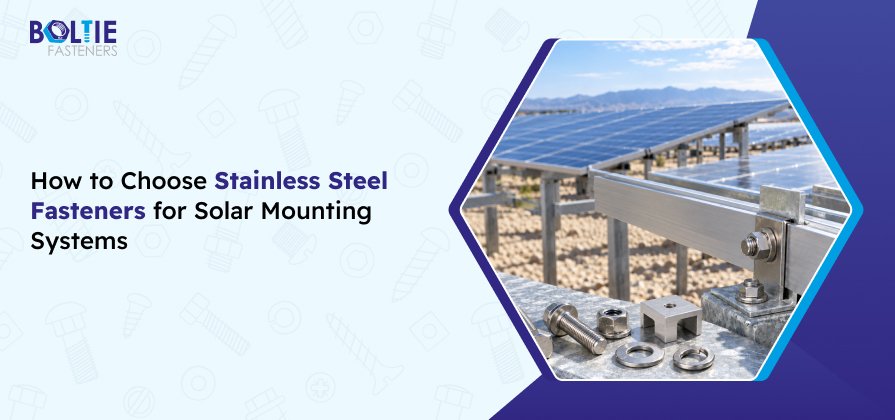
Also read our latest article on: How to Choose Stainless Steel Fasteners for Solar Mounting Systems
Comparing Common Material Families Used by Any Leading Fastener Manufacturers
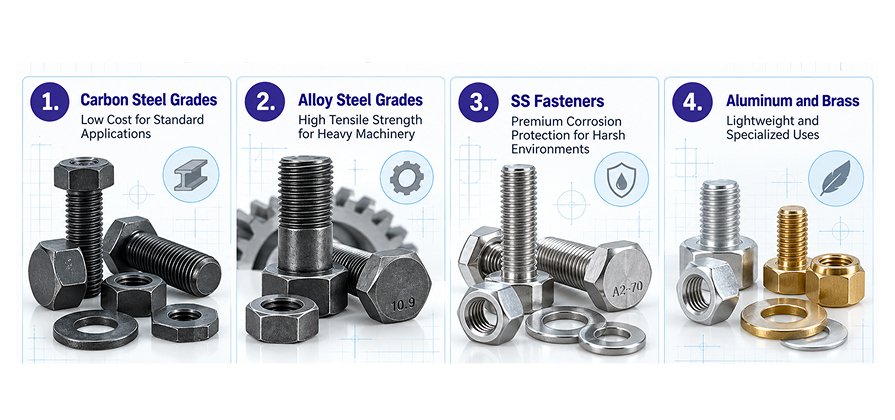
Different jobs call for different metals. Here’s how the main families compare.
Carbon Steel Grades: Low Cost for Standard Applications
Carbon steel is affordable and strong enough for indoor, low-corrosion settings. It’s a common starting point for general nut bolts used in furniture, machinery frames, and construction work that doesn’t face harsh weather.
Alloy Steel Grades: High Tensile Strength for Heavy Machinery
Alloy steel adds elements like chromium, nickel, or molybdenum to boost strength and heat resistance. It’s the go-to for heavy equipment, automotive parts, and anything under constant mechanical stress.
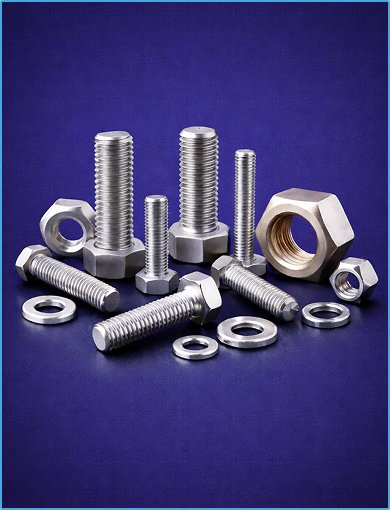
SS Fasteners: Premium Corrosion Protection for Harsh Environments
Stainless steel fasteners cost more upfront but resist rust, moisture, and chemical exposure far longer than standard steel. For outdoor, marine, or chemical-plant use, SS Fasteners are usually the safer long-term choice.
Aluminum and Brass: Lightweight and Specialized Uses
Aluminum suits weight-sensitive applications like aerospace and electronics, while brass is picked for its conductivity and corrosion resistance in plumbing and electrical fittings.
Why SS Fasteners Are Preferred for High-Durability Applications
Stainless steel isn’t one single material. It comes in grades, each suited to a different level of exposure.
Grade 202 SS Fasteners: Cost-Effective Choice for Indoor Applications
Grade 202 offers decent corrosion resistance at a lower price, making it suitable for indoor fittings and furniture where moisture exposure is minimal.
Grade 304 SS Fasteners: Standard Rust Resistance for Everyday Industrial Use
Grade 304 is the most widely used stainless grade. It handles everyday industrial environments well and is a common pick when a fastener manufacturer needs a balance of cost and corrosion resistance.
Grade 316 SS Fasteners: Marine-Grade Protection Against Saltwater and Harsh Chemicals
Grade 316 adds molybdenum, giving it superior resistance to saltwater and aggressive chemicals. It’s the standard choice for marine hardware, chemical plants, and coastal construction.
How Passivation and Surface Treatments Extend the Life of Stainless Steel Fasteners
Passivation removes surface iron particles and forms a protective oxide layer, helping stainless steel resist rust even longer. Paired with proper surface finishing, this step significantly extends a fastener’s working life.
What is the role of stainless steel fasteners in solar panel success? Read on: Stainless Steel Fasteners for Solar Panels
How Material Testing Ensures High Quality in Fastener Production
Choosing the right grade is only half the job. Testing confirms the material performs as expected.
Chemical Composition Analysis (Spectrometry Testing)
Spectrometry testing checks the exact mix of elements in a metal batch, confirming it matches the promised fasteners grade before production begins.
Tensile, Yield, and Proof Load Testing
These tests measure how much force a fastener can handle before stretching or breaking, verifying it meets the strength requirements of its intended use.
Hardness Testing (Rockwell & Vickers Scale)
Hardness testing checks a material’s resistance to wear and deformation, which matters for parts exposed to repeated stress or friction.
Salt Spray Testing for Long-Term Corrosion Life
This test exposes fasteners to a controlled salty mist to estimate how long they’ll resist corrosion in real-world coastal or industrial settings.
How Boltie Fasteners PVT LTD Helps You Choose the Right Fastener Material
Boltie Fasteners PVT LTD is a fasteners manufacturer known for producing high-quality nut bolts and stainless steel fasteners for industries that can’t compromise on strength or durability.
Custom Engineering and Grade Selection Support at Boltie Fasteners PVT LTD
As a fastener manufacturers, we work closely with clients to recommend the right fasteners grade for their specific load, environment, and budget, rather than offering a one-size-fits-all product.
Whether a project calls for a Stainless Steel Bolt rated for marine exposure or a Stainless Steel Nut suited for everyday industrial use, we help match the material to the application.
Strict Quality Control and ISO-Compliant Manufacturing Process
As a dependable fastener manufacturers and screw manufacturer, we follow ISO-compliant processes and test every batch for composition, strength, and corrosion resistance before it reaches our clients.
Wide Inventory of Standard and Customized SS Fasteners
Our inventory covers standard sizes as well as customized SS Fasteners, so we can support both routine industrial orders and specialized project requirements. As a trusted screw manufacturer, we also produce custom threading and coatings on request.
Conclusion: Making the Right Material Choice for Long-Lasting Fasteners
Choosing the right material grade isn’t just a technical detail. It decides how long a structure or machine stays safe and functional. Whether you need standard carbon steel parts or corrosion-resistant SS Fasteners for a harsh environment, working with an experienced fastener manufacturers like Boltie Fasteners PVT LTD ensures the material matches the job, the environment, and the budget, so your fasteners last as long as the structures they hold together.
FAQs:
1. What is the most important factor in choosing a fastener material grade?
Strength and corrosion resistance are the most important factors. Manufacturers match the grade to the application’s load requirements, environmental exposure, and temperature conditions for long-term reliability.
2. How does material grade affect fastener strength?
Higher-grade materials have denser molecular structures and controlled alloy composition, increasing tensile and yield strength. This allows fasteners to withstand greater loads without deforming or failing.
3. Can fastener material grade affect durability over time?
Yes. Higher corrosion-resistant grades prevent rust, pitting, and material fatigue over time, extending fastener lifespan even under repeated stress, moisture, or temperature fluctuations in demanding environments.
4. What industries require high-grade stainless steel fasteners?
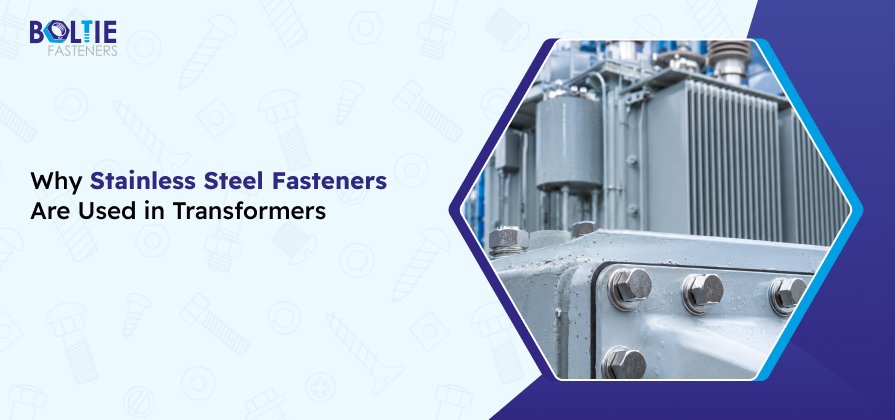
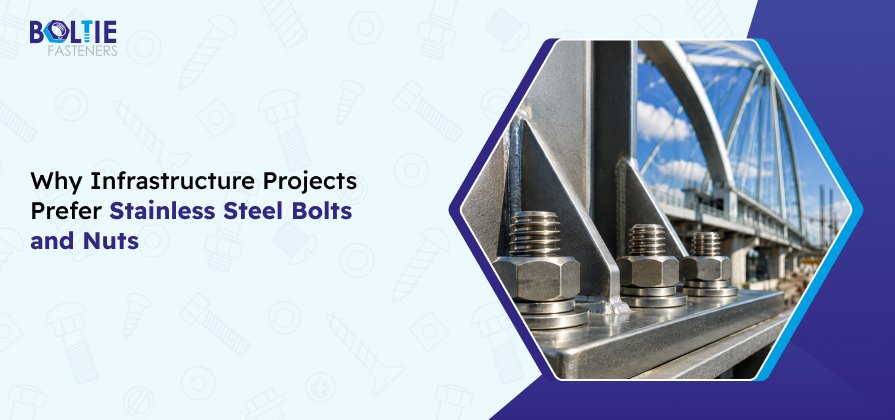
Industries like infrastructure, solar, transformers, marine, and chemical processing require high-grade fasteners for their superior strength, corrosion resistance, and ability to withstand harsh operating environments.
5. Is a higher fastener grade always better for every application?
Not always. Higher grades add cost and may be unnecessary for low-stress applications. Manufacturers balance grade selection with budget, environment, and specific load requirements.